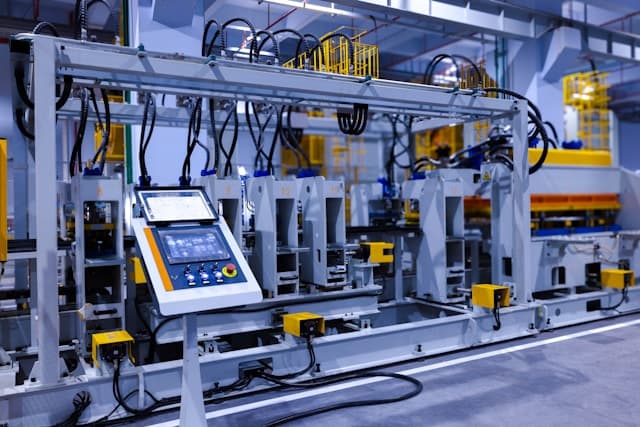
Operational intelligence for manufacturing
Bring together plant systems, machine data, work orders, quality signals, and maintenance history so site teams can move faster on downtime risk, throughput loss, and recurring issues that quietly erode plant performance.
Vectorhaul helps manufacturing teams track production assets, line health, work orders, and plant activity through one shared operating view. That gives site teams a simpler way to understand what is happening across equipment, shifts, utilities, and facilities without bouncing between isolated systems.
This matters most when small issues build into larger losses. A recurring vibration alert, a quality drift on one line, or a maintenance task that keeps getting deferred can all affect throughput long before the full impact shows up in reporting.
We can help monitor machine telemetry, downtime events, maintenance history, alarm patterns, changeovers, and quality signals in near real time. This makes it easier to catch recurring faults, identify bottlenecks, and see which assets need attention first before they create extended downtime or unstable output.
Because the data sits in one operating layer, supervisors and engineers can connect production performance to the conditions around it. They can see whether low output is tied to specific assets, repeated faults, maintenance delays, shift patterns, or upstream process variation.
By layering AI insight onto plant and maintenance data, teams can explore issues in plain language and get faster answers on trends, causes, and recurring loss patterns. That reduces the time spent waiting for reports or manually assembling information from historians, CMMS tools, and spreadsheets.
Typical improvements include better uptime, quicker maintenance response, more stable throughput, clearer visibility into how equipment performance affects output, and stronger alignment between production, engineering, and maintenance teams.